Protecting Pollinators: How PPQ and Partners Are Tackling the Yellow Legged Hornet
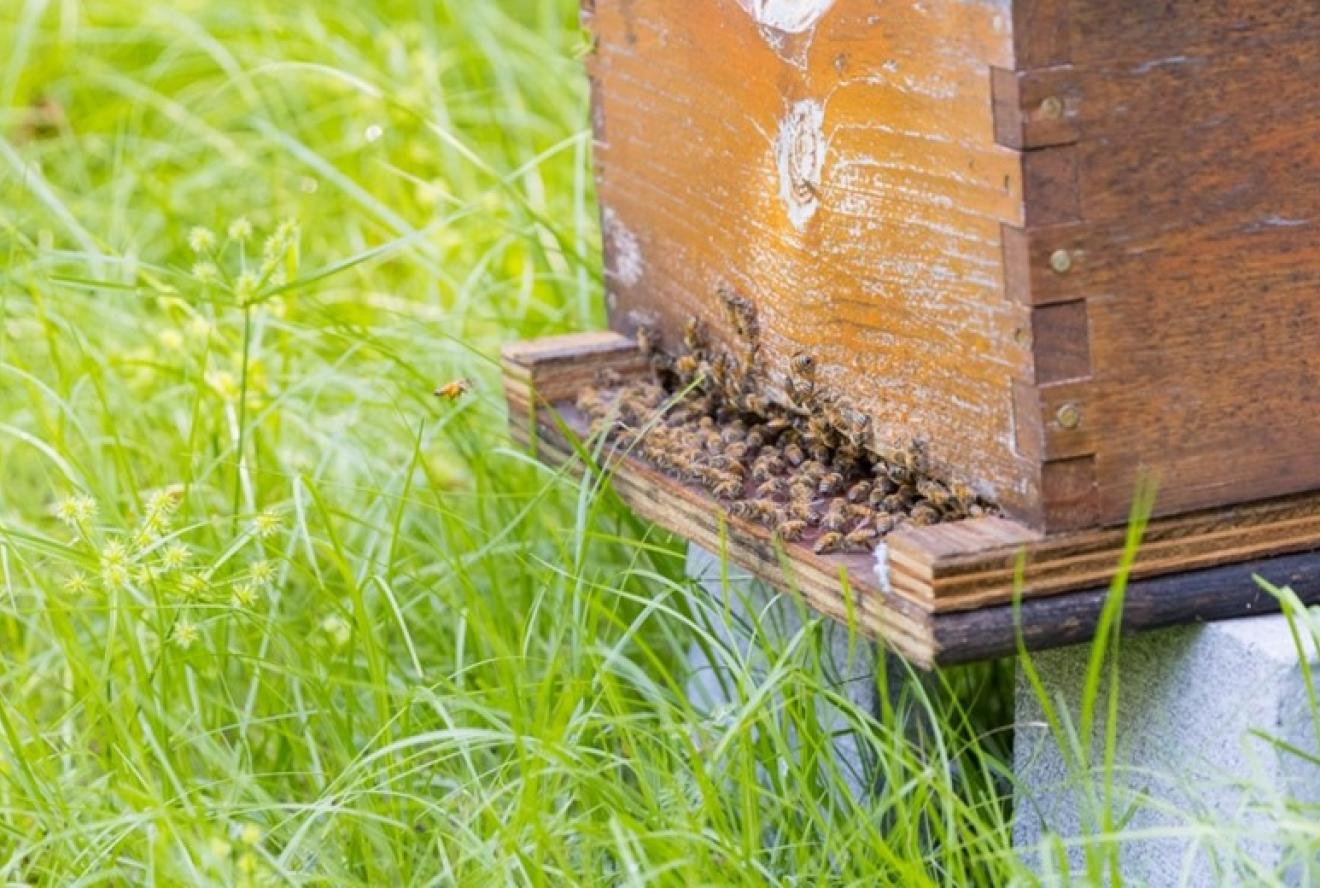
USDA’s Plant Protection and Quarantine (PPQ) program and its state partners are working together to protect honey bees and other pollinators by combating the yellow-legged hornet. This invasive hornet is a serious predator of bee colonies and threatens the health of native pollinators that support our nation’s agriculture.
Since the hornet was first detected in Savannah, Georgia, in 2023, PPQ has worked with the Georgia Department of Agriculture, Clemson University’s Department of Plant Industry, and the North Carolina Department of Agriculture & Consumer Services to slow and contain its spread. Most recently, North Carolina confirmed its first finding of a yellow-legged hornet, prompting expanded early-detection efforts across the state.
This season, PPQ and state partners are increasing trapping, strengthening public outreach, and refining survey methods to help teams locate nests more quickly. More than 7,400 traps are now deployed across Georgia and South Carolina, with additional traps placed throughout North Carolina to support early detection.
The Georgia Department of Agriculture has already captured more than 200 queens, mostly in Savannah and nearby coastal areas. Clemson’s Department of Plant Industry is conducting a surge effort in York County, South Carolina, after confirming a new population there in late 2025. Surge operations provide a short-term, high-intensity increase in staff, traps, and resources to rapidly boost detection and response.
Teams are also using new tools, including bait stations and advanced mapping dashboards, to track activity and guide field operations. Public outreach remains a critical part of the response. Agencies are hosting community events, distributing informational mailers, and encouraging residents to report any suspected sightings.
States outside the Southeast are also staying alert. After a Washington State Department of Agriculture grain inspector photographed a live hornet on a vessel in Vancouver, Washington, officials in both Oregon and Washington launched detection surveys to determine whether the insect is present in the area.
Public reporting plays an essential role in finding new detections quickly. If you think you have seen a yellow-legged hornet or nest, report it right away. Early reports help responders locate and remove nests quickly.
- In Georgia: call (404) 656-3600, email yellow.legged.hornet@agr.ga.gov, or use the online reporting form.
- In North Carolina: use the online reporting form.
- In South Carolina: call (864) 646-2140 or use the online reporting form.
- In other states: contact your State Plant Regulatory Official or State Plant Health Director.