
Forward Operating Base Finley-Shields, Nangarhar, Afghanistan – My new assignment is in Afghanistan’s Nangarhar province near Jalalabad, the second largest population center in Afghanistan, along the volatile Afghanistan-Pakistan border. In August, I left Camp Blessing in Kunar province, just north of Jalalabad, to assist here. My new home is Forward Operating Base Finley-Shields in Nangarhar, also home to the Nangarhar provincial reconstruction team (PRT) and Behsud District Support Team. Part of the base is an old Soviet motel built several decades, in which I share a room with an Army medic, a great guy whom I’ve taught a few songs on the guitar. A total of nine civilians from three agencies work here (State, U.S. Agency for International Development, and USDA). In addition, the Missouri Agribusiness Development Team (ADT) of the U.S. Army National Guard also calls Finley-Shields home. In the past eight weeks, I’ve enjoyed being part of this larger team. The ADT allows us civilians to get off base more and interact directly with Afghan farmers and extension agents. I also noticed how this focused, comprehensive U.S. effort here in Nangarhar is instilling greater confidence in the Afghan people.
The heat continues to be relentless, with temperatures still well into the 90s for much of the day and quite a bit of humidity as well. But we have our fun. The Missouri ADT Team Leader is an attorney and we share a fondness for pie. He told a story about he once ordered several pies for dinner at a restaurant known for its pies. No main course, just pie. That is my kind of guy!
The U.S. Government’s agriculture strategy for Afghanistan calls for connecting Afghans to their government, and the Missouri ADT conducts monthly training for the Nangarhar extension agents here on the base to build capacity, knowledge and value in the Afghan extension system. Recently, the extension agents discussed project management, an important role in Afghanistan development, with topics as wide and varied as ethics, budgeting, progress and challenges, labor and record keeping. We also learned from the Afghans about some of the challenges they face from community leaders, contractors and other influential people. In addition to the technical training that happens, these monthly exchanges are so important to all of us in understanding cultural nuances and building relationships.
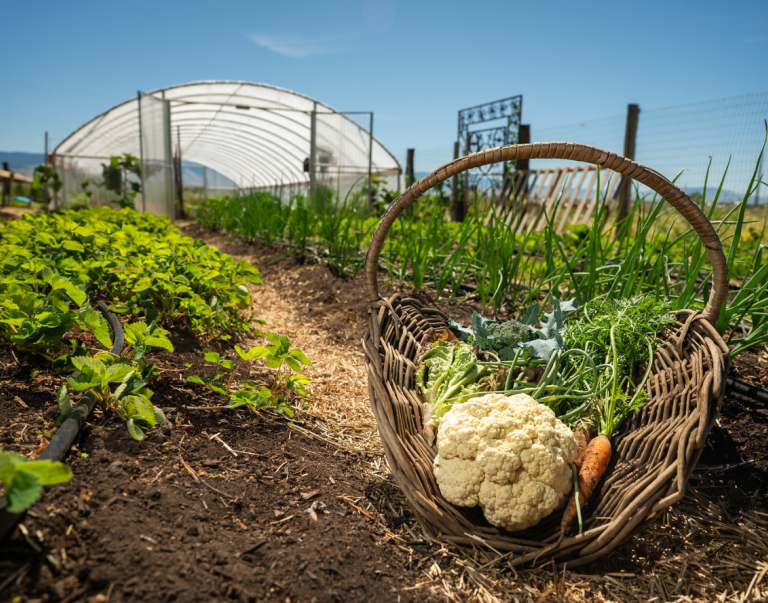
During our first visit to the local Agriculture Department, my USAID colleague (a dairy farmer in rural Wisconsin) met with the Afghan Agriculture Extension manager as well as the Afghan Rural Development, and they got along famously! Despite the language barrier, my USAID colleague held a successful training with the Afghans on soybean harvesting and pest control. Multinational organizations such as the United Nations and coalition partners such as the United States have helped to bring soybean crops to Afghanistan in the past few growing seasons. The Behsud district raises rice, wheat, corn, a variety of citrus fruits, and vegetables such as tomatoes and cauliflower. This district is better equipped than most, with three computers in the Rural Development / Extension office as well as desks and chairs. The Afghan Extension manager spent three weeks in Japan studying rice production. Japan, like the United States, offers educational exchange opportunities for Afghans at Japanese institutions and universities. Afghanistan has a long way to go in most crop production, but rice yields measure up pretty well to international standards.
I look forward to building a closer relationship with the local Agriculture Department. We go off to a great start.