5 Vacation Activities That Could Increase the Risk of Bringing African Swine Fever to the U.S.
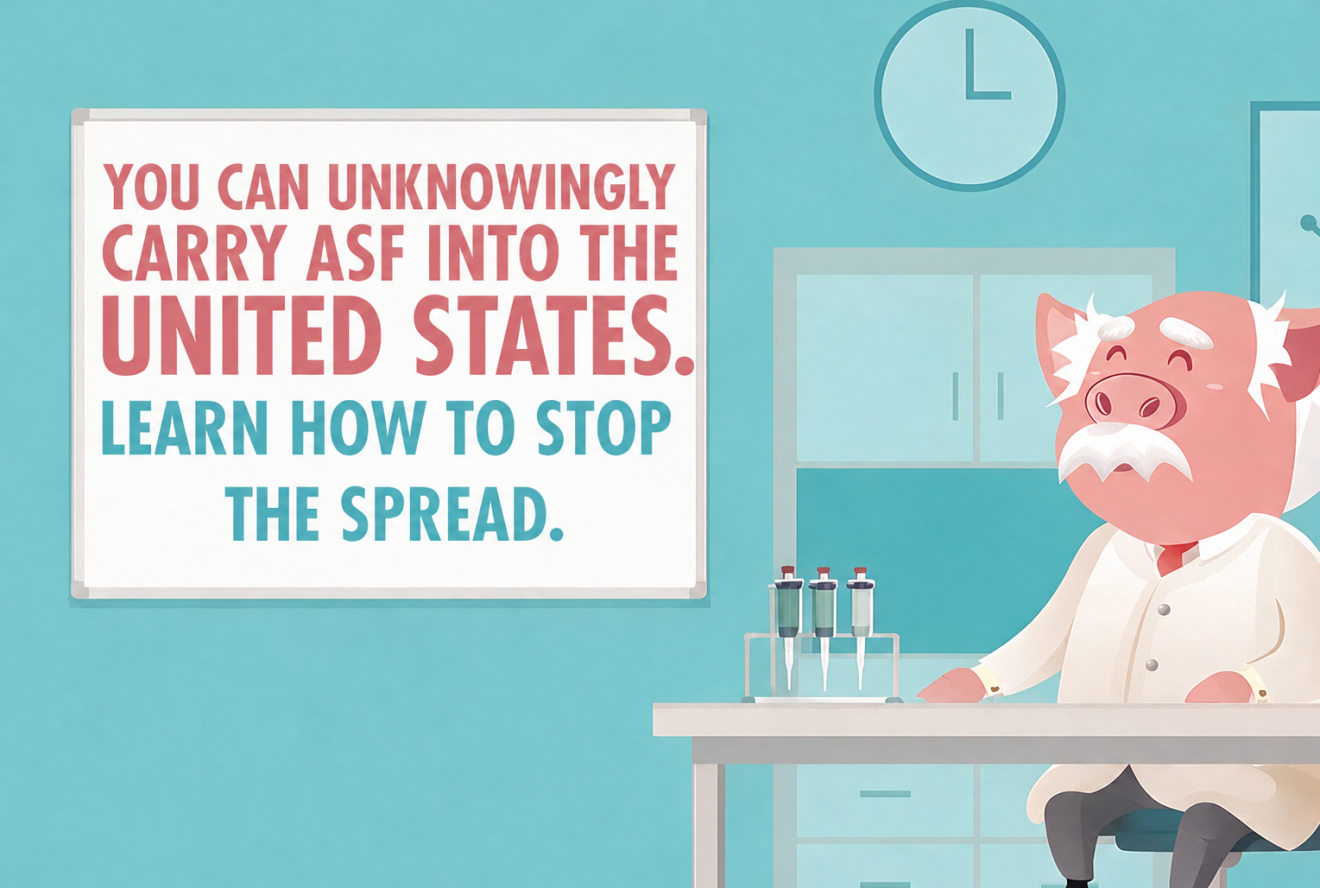
Vacations are for exploring new places, trying local foods and enjoying the outdoors. But without realizing it, some of these classic travel experiences can accidentally bring you into contact with African swine fever (ASF).
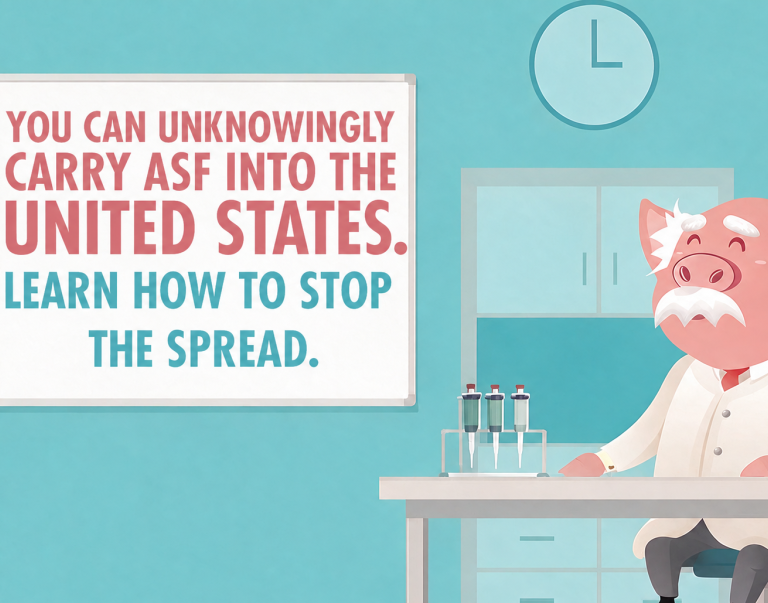
ASF is a highly contagious and deadly disease that affects wild and domestic pigs, but does not affect humans. However, travelers can unknowingly carry the virus on contaminated clothing, shoes or pork products.
The good news? A few simple precautions can help keep you from bringing ASF back to the United States.
#1: Taking a farm tour
Touring a local farm can be a great way to experience a destination. If pigs are nearby, however, dirt, manure, or other contaminated material can hitch a ride on your shoes, clothing or gear. Follow local biosecurity guidelines and either throw away or wash and disinfect your items before packing for home.
#2: Visiting a petting zoo or animal attraction
See a pig? Keep ASF in mind. Even without touching an animal, you may walk through areas where pigs have been. Wash your hands, clean and disinfect your shoes and clothes and avoid carrying dirt or debris home.
#3: Hiking or camping where wild swine roam
Farms aren’t the only places you might encounter swine. Free-roaming and feral swine can live in forests, parks and other outdoor areas. After an outdoor adventure, clean mud and debris from your boots and equipment before packing them.
#4: Staying at a farm or eco-lodge
Agritourism can put you close to livestock. If your stay includes swine or other farm animals, wash clothing worn around them and disinfect your footwear and gear.
#5: Bringing local pork dishes back to family and friends
Enjoy local cuisine while you’re there — but don’t pack pork for the trip home. ASF can survive in many cooked and uncooked pork products.
When you arrive in the U.S. mainland, Puerto Rico or the U.S. Virgin Islands, declare all meat and animal products (including wildlife products) to U.S. Customs and Border Protection and tell officers if you visited a farm or were near livestock or swine. If you’ve been around pigs, wait at least five days after returning to the United States before visiting a farm or other facility with swine.
Explore freely, pack carefully and help keep ASF out of the United States. Learn more about ASF and how you can help prevent its spread: www.aphis.usda.gov/traveling-with-ag-products/asf and https://direct.aphis.usda.gov/sites/default/files/fsc-asf-travelers.pdf.