
Kabul, Afghanistan probably isn’t the first thing that comes to mind upon hearing the phrase “garden city.” But, surprising as it may be, that was the long-held moniker of a city once famous for advanced irrigation systems and vast orchards. Today, the city is closer to regaining that past image of vitality thanks to a cooperative effort to shore up its natural resources.
In an effort to help revitalize Afghanistan’s natural environment, which has suffered dramatically during the last three decades of conflict, the first of 75,000 trees were planted in the capital city on March 6.
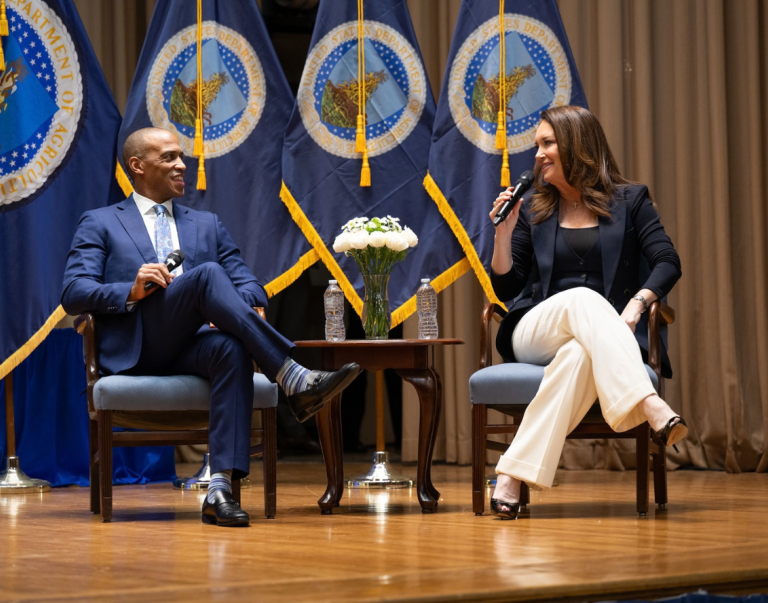
U.S. Ambassador to Afghanistan Karl Eikenberry, International Security Assistance Force (ISAF) Commanding General David Patraeus, Mayor of Kabul Mohammad Yunus Nawandish, and Afghanistan’s Minister of Education Ghulam Farooq Wardak, all turned out for the tree planting ceremony, which was held in conjunction with the Afghan celebration of the New Year called Nowruz. The trees will be planted over the course of a two-week celebration through March 21.

USDA and civilians from other U.S. government agencies in Afghanistan are working alongside the U.S. military and the Afghan government on this tree planting initiative, which is part of overarching efforts to conserve Afghanistan’s forests and ultimately improve the country’s entire agricultural sector.
Planting trees does much more than simply add a little color to Kabul’s dusty streets. These trees will help reduce soil erosion, muffle noise pollution, boost community pride, and improve the overall environment.
While the saplings planted in Afghanistan this month are certainly a reminder of the lively and vibrant forests of Afghanistan’s past, they also symbolize the commitment to bring about a greener, healthier and more peaceful future.
To learn more about USDA’s efforts in Afghanistan and around the world, visit www.fas.usda.gov.